Belmont Outdoors: How Nature Shapes Everyday Living
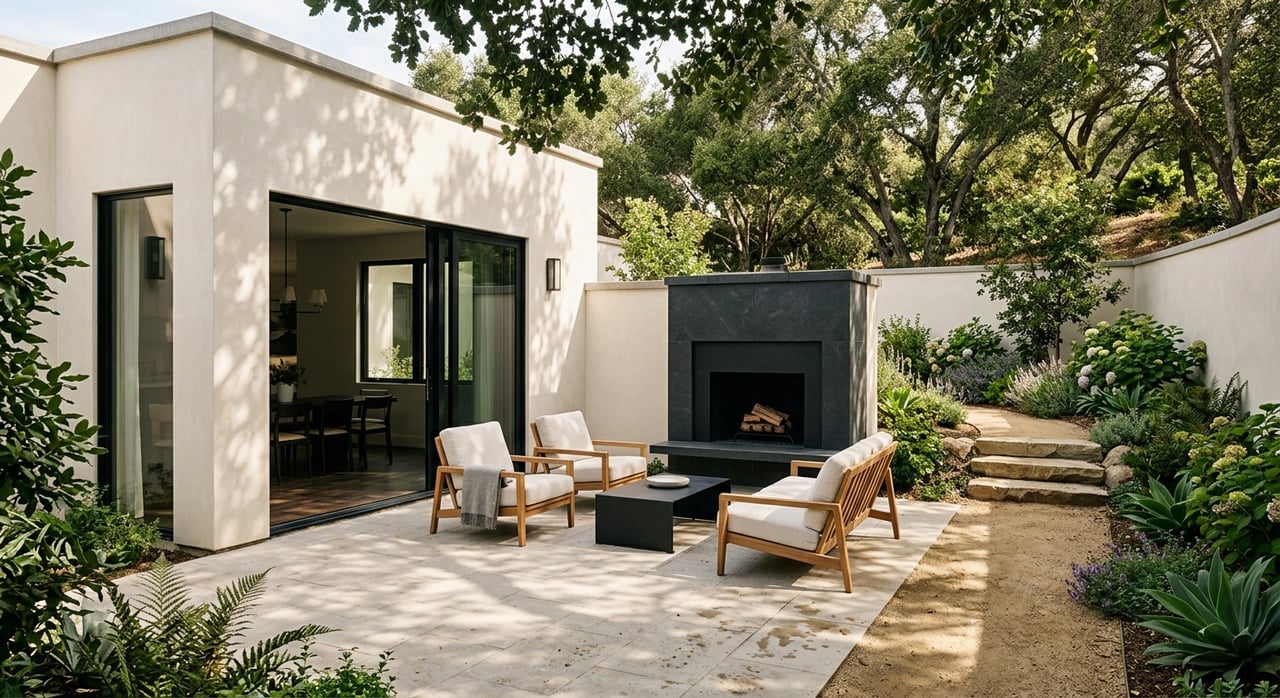
If you are drawn to places where a walk, trail run, picnic, or dog outing can fit naturally into your day, Belmont stands out. Outdoor access here does not feel like a once-in-a-while bonus. It feels woven into the city’s layout, its hillsides, and the way many residents move through daily life. Let’s take a closer look at how nature shapes everyday living in Belmont.
Belmont’s setting does a lot of the work. City planning materials describe Belmont as a community of wooded hills, Bay views, and open space, with 14 developed parks across 31 acres plus 337 acres of open space. In a Mid-Peninsula location between San Francisco and San Jose, that adds up to a lifestyle where getting outside can be part of an ordinary weekday.
The city also notes that most neighborhoods sit on the hillsides with access to parks and open space. In practical terms, that means you are not looking at a town where outdoor recreation is tucked far away on the edge. In many parts of Belmont, the landscape itself helps define how the community feels.
Belmont offers more than one type of outdoor experience. Some spaces are trail-focused and tied to the hills. Others are designed for gathering, play, sports, or time outside with your dog.
Waterdog Lake and Open Space is one of Belmont’s best-known recreation areas. The city also refers to it as John Brooks Memorial Open Space, and it includes trails of varying lengths along with access points at Hallmark and Lake Road, 2400 Lyall Way near Lake Road and Lyall, and 2642 Carlmont Drive.
For many residents, this kind of setup supports flexible routines. You may head out for an early walk, fit in a quick hike after work, or spend part of a weekend on the trails without leaving town. The city lists the area as open from sunrise to sunset and asks visitors to keep dogs on leash and stay on marked trails.
Twin Pines Park offers a different outdoor rhythm. The city describes it as a 19-acre ravine park along Ralston Avenue north of El Camino Real, with a creek, picnic areas, shady spots, a playground, open-space trails, and rental facilities.
It also serves as a civic hub, housing City Hall, the Historical Society Museum, and the Senior and Community Center. That mix gives Twin Pines a community-centered feel, where green space and local gathering places sit side by side.
San Juan Canyon adds another trail-oriented option within Belmont. The city describes this open space as 35 acres with benches, hiking and biking trails, and a connection to Sugarloaf Open Space and Trails.
If you like the idea of nearby trail access, San Juan Canyon is part of what makes Belmont appealing. It reinforces the sense that the hills are not just scenery. They are active parts of daily life.
Alexander Park supports casual, flexible outdoor use. According to the city, it includes basketball, tennis, picnic areas, a playground, and restrooms, making it useful for everything from a short park visit to a longer family outing.
For dog owners, Belmont’s rules are simple. Cipriani Dog Park is the city’s only dedicated off-leash dog park, and it is fenced within Cipriani Park. In other Belmont parks and open spaces, dogs must remain on leash.
One of Belmont’s biggest lifestyle advantages is that outdoor time can be easy to fit in. With multiple trailheads, neighborhood parks, picnic areas, and open spaces available from early in the day through the evening, nature can support short routines as well as longer outings.
That might look like a morning walk before work, a lunch break at a nearby park, an after-school playground stop, or a weekend picnic with friends. Belmont’s outdoor assets are varied enough that you do not need to be a serious hiker to benefit from them.
This matters because lifestyle is often built from convenience. When access is close by and easy to repeat, outdoor habits tend to become part of everyday living rather than a special plan you make once in a while.
Belmont’s outdoor identity goes beyond trails. The city’s park system includes picnic areas, sports facilities, playgrounds, a dedicated dog park, and even a community garden.
Barrett Community Garden is a good example of that broader mix. The city rents 25 garden plots to Belmont residents for personal produce growing, and the wait list often runs two to three years. That steady demand suggests that hands-on outdoor activity is an important part of local life for many residents.
If you value options, that variety is meaningful. Belmont supports different ways to spend time outside, whether you prefer walking, gardening, gathering with friends, or simply finding a nearby green space to reset.
Belmont’s residential character is closely tied to its terrain. City guidance describes the Hillside Residential and Open Space districts as areas with unique terrain features that help define the city’s character, and the regulations encourage clustering homes and density transfers to preserve undeveloped lots as open space.
The city’s hillside development guidance specifically focuses on the San Juan Hills and Western Hills areas. That planning context helps explain why Belmont often feels shaped by contours, canyons, and preserved land rather than by a uniform subdivision pattern.
Belmont’s Housing Element adds another important point. The city says the community is approaching build-out, has a limited amount of vacant land available for future residential development, and still has some small vacant residential lots in hillside neighborhoods.
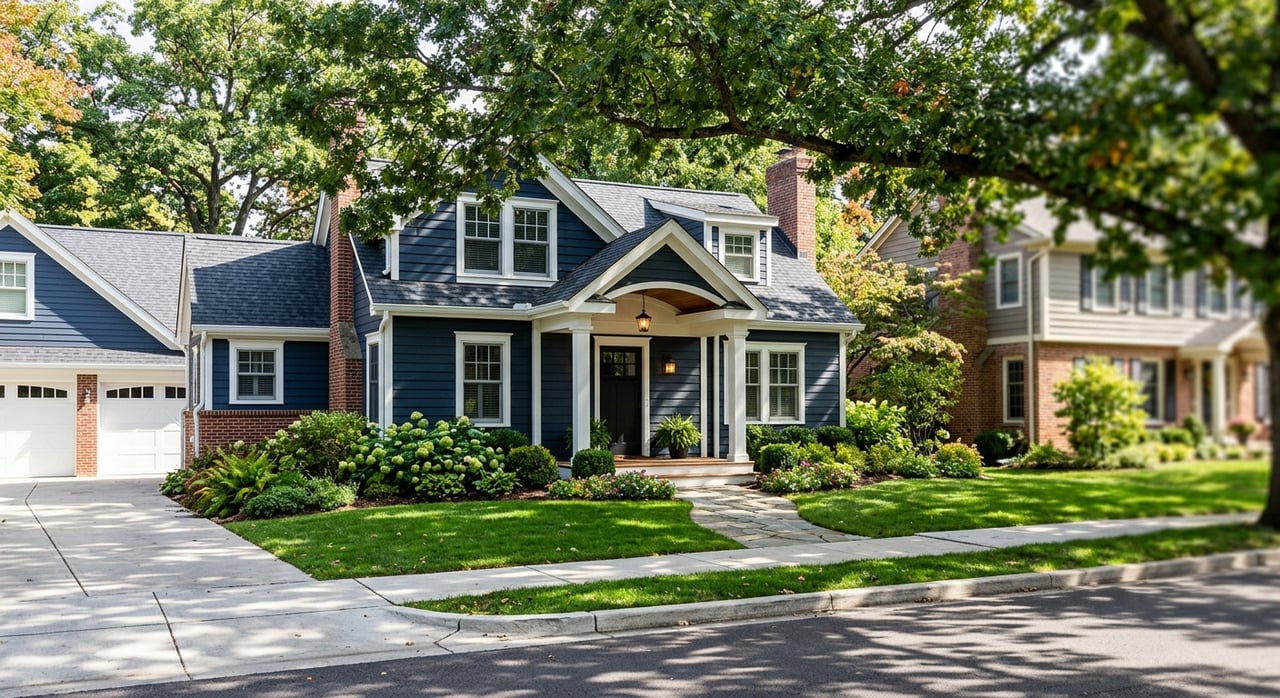
For buyers, this can translate into a housing landscape with more variation. Some homes sit on lower-elevation residential streets closer to the city core, while others are more connected to hillside settings, trailheads, or open-space edges. That mix is part of Belmont’s identity and can be a major draw for people who want a home environment that feels visually and spatially connected to nature.
For many buyers, Belmont offers a compelling combination of Mid-Peninsula location and daily access to nature. You can be in a community with established neighborhoods, local parks, and trail systems while still staying well positioned within the broader Peninsula.
What makes Belmont especially notable is how consistently the city’s setting, planning, and park network point in the same direction. The wooded hills, preserved open space, and neighborhood access are not separate features. Together, they create a lifestyle where the outdoors can influence how you choose a home and how you spend your time once you live there.
If you are comparing Belmont with other Mid-Peninsula communities, this is an important lens to use. The question is not only how close a home is to work or daily errands. It is also how naturally it connects you to the routines you want, whether that means trails, park space, dog walks, or time outside close to home.
Belmont’s outdoor character is one of the reasons the city feels distinct. If you want help understanding how different parts of Belmont line up with your lifestyle goals, Ektra Real Estate can help you evaluate the neighborhood patterns, home settings, and local context that matter most.
Stay up to date on the latest real estate trends.
June 25, 2026
June 18, 2026
June 11, 2026
June 4, 2026
May 28, 2026
May 21, 2026
We are proud to have helped so many in their journey here, and we value the trust our client's place in our relationships. Come join us to start your home journey!