What to Look for in Redwood City Multigenerational Homes
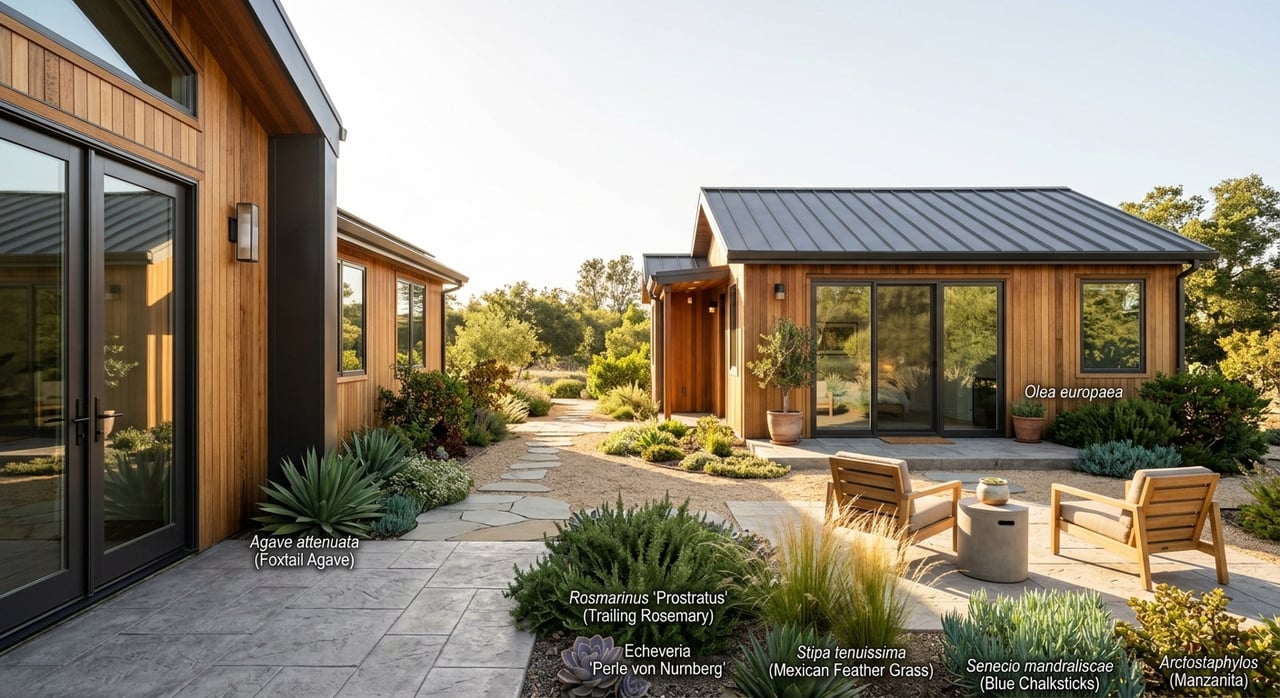
Wondering how to make one home work for parents, kids, guests, or a returning adult child without feeling cramped? In Redwood City, that question is more common than ever as housing costs stay high and more households look for flexible ways to live together. If you are planning for multigenerational living, the right home is not just about square footage. It is about layout, privacy, long-term options, and what is actually possible on the property. Let’s dive in.
Multigenerational living is no longer a niche setup. Pew reports that 22% of the U.S. population lived in multigenerational households in 2024, up from 13% in 1970, with finances and caregiving as the most common reasons people share homes.
That trend fits the reality many buyers and owners see in Redwood City. The city has an average household size of 2.69, 13.8% of residents are age 65 or older, a median gross rent of $2,968, and a median value of owner-occupied housing units of $1,801,700. In a market like this, flexibility can matter as much as location or finishes.
When you plan for multigenerational living, begin with daily routines. Ask yourself who needs privacy, who may need easier access, and how the household will share kitchens, bathrooms, laundry, and outdoor space.
A home that works well for one stage of life may not work as well five years from now. That is why it helps to think of multigenerational living as a long-term flexibility strategy rather than a short-term fix.
Age-friendly design guidance from AARP highlights several features that are especially useful in shared households. These include step-free access, a bedroom, kitchen, full bath, and laundry on a level that can be reached without stairs.
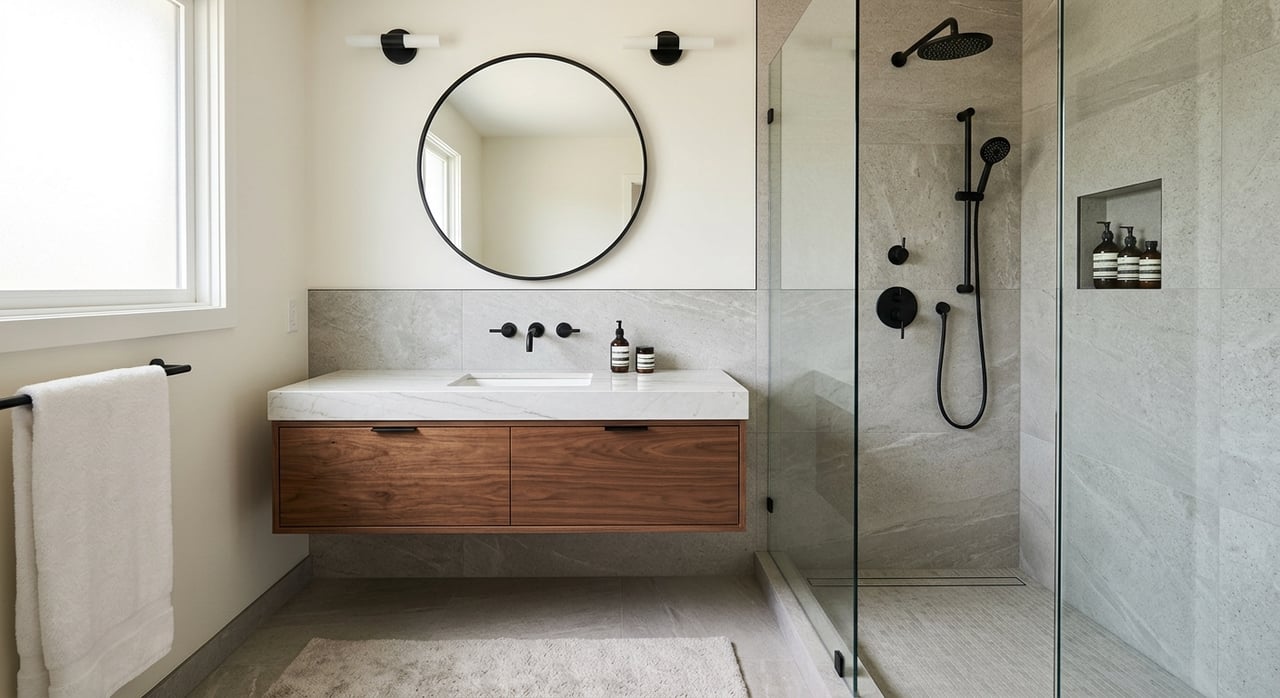
A no-step shower and wider hallways or doorways can also make a home easier to use over time. Even if you do not need those features today, they can make future changes simpler and less disruptive.
Privacy is one of the biggest quality-of-life factors in a shared home. In practice, many households do better when sleeping areas are separated from the main gathering spaces and when there is a way to create a semi-private entrance.
Storage matters too. A home can feel much smaller when several generations are sharing closets, seasonal items, hobby gear, or childcare supplies.
If you are touring Redwood City homes, look beyond the staging and focus on the bones of the property. The most useful homes often offer a mix of shared space and separation.
Here are some of the most practical features to watch for:
Not every home needs all of these features. What matters is whether the home can adapt to your household without major friction.
For many buyers and homeowners, the biggest question is whether a property can support an ADU or JADU. In Redwood City, that can be a valuable option for extended family living, guest use, or future flexibility.
Redwood City describes an ADU as a smaller living unit with its own kitchen and bathroom. The city also states that new ADUs may not be used exclusively as short-term rentals.
Redwood City says JADUs can be up to 500 square feet of converted space inside a single-family home and may share a bathroom with the main house. Detached ADUs can be up to 850 square feet for a one-bedroom unit or 1,000 square feet for a unit with more than one bedroom.
For new detached ADUs, Redwood City says side and rear setbacks are 4 feet. State guidance also limits how much a city can add to objective standards, including limits on lot-size rules, bedroom caps, and certain fees.
Even when a property looks promising on paper, site conditions still matter. Redwood City notes that pre-reviewed ADU plans can shorten review timelines to 30 days, but each project still needs property-specific planning.
That site-specific work can include foundation design, drainage, utilities, fire-flow testing, and other permit steps. In other words, flexible space is only as useful as the parcel’s ability to support it physically and procedurally.
There are a few details worth understanding early. State guidance says the ADU owner-occupancy requirement was removed, but a JADU that shares a bathroom with the primary residence still carries an owner-occupancy rule, subject to exceptions.
If rental use is part of your long-term thinking, it is also important to remember that Redwood City says new ADUs may not be used exclusively as short-term rentals. That makes these units better suited to long-term household flexibility than quick-turn lodging plans.
The best multigenerational home search is part lifestyle planning and part due diligence. A beautiful extra room is not the same as a legal bedroom, and an old garage conversion may not offer the flexibility you expect.
When reviewing listings, focus on whether the home’s flexible spaces are legally permitted and whether future changes are realistic. That can protect both your day-to-day use and your resale value later.
As you compare homes, keep this checklist in mind:
These are some of the most important questions because they help you separate true flexibility from informal space that may not function the way you hope.
One of the smartest ways to plan for multigenerational living is to map your needs in stages. What works for an aging parent today may later become space for an adult child, a live-in caregiver, or long-term guests.
That kind of optionality can be especially valuable in Redwood City, where housing costs are significant and staying in one well-chosen property may create more stability over time. A home that adapts with your life can be more valuable than one that simply feels bigger at first glance.
Redwood City buyers benefit from looking at these homes with both lifestyle goals and city rules in mind. A property may have room for an ADU or JADU, but the details of the lot, permits, setbacks, and access still shape what is truly possible.
That is where local, data-driven guidance can make a difference. When you understand not just the home but the real constraints and opportunities attached to it, you can make a much more confident decision.
If you are weighing Redwood City homes for multigenerational living, a thoughtful plan now can save you time, money, and stress later. And if you are preparing to buy or sell a home where flexibility is part of the value, working with a local team that understands layout, permitting context, and long-term resale can help you see the full picture. When you are ready to talk through your options, connect with Ektra Real Estate.
Stay up to date on the latest real estate trends.
July 23, 2026
July 16, 2026
July 9, 2026
July 2, 2026
June 25, 2026
June 18, 2026
We are proud to have helped so many in their journey here, and we value the trust our client's place in our relationships. Come join us to start your home journey!