Raising A Family In San Carlos: Everyday Life And Housing
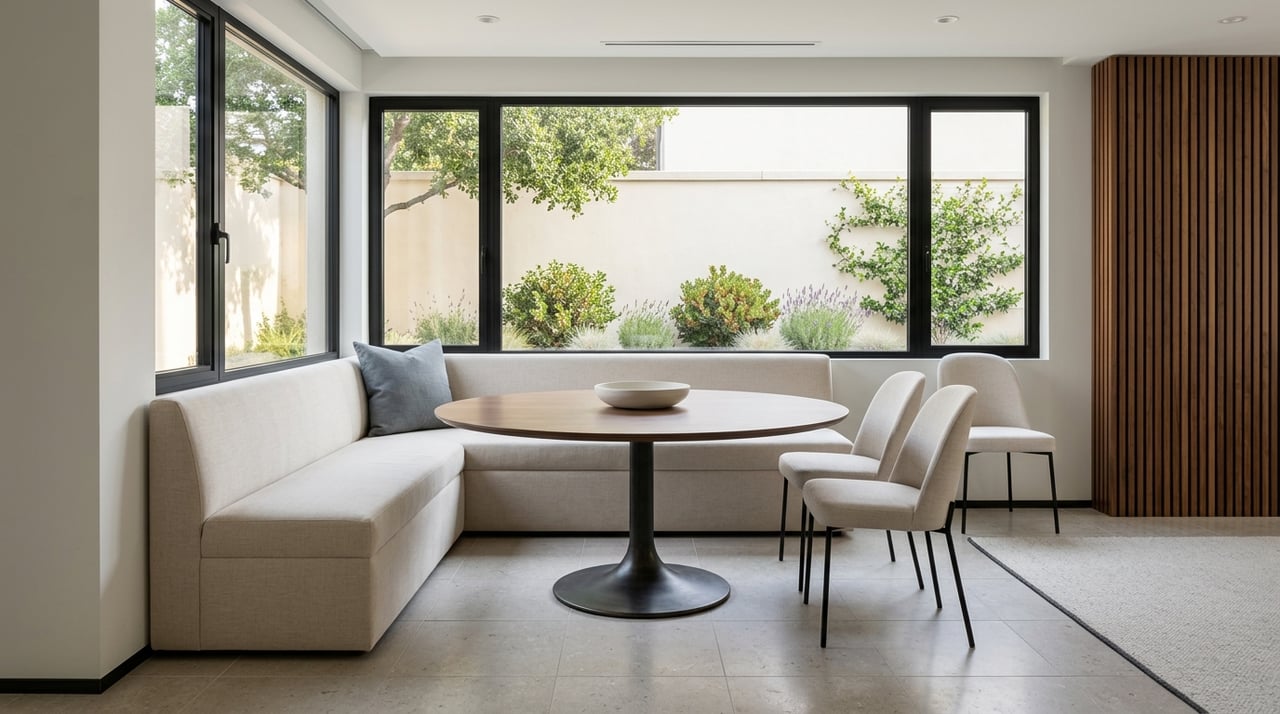
Wondering what day-to-day family life in San Carlos really feels like before you make a move? That question matters here because San Carlos offers a very specific mix of community convenience, public amenities, and high housing costs. If you are weighing whether the city fits your routines, budget, and long-term goals, this guide will help you picture both everyday life and the homes that tend to support it best. Let’s dive in.
San Carlos is a compact Mid-Peninsula city with 29,261 residents and 11,001 households, according to the latest Census estimates. The city also has a clear family presence, with 23.4% of residents under 18 and an average household size of 2.68. Those numbers help explain why so much of daily life here feels built around practical routines rather than big-city sprawl.
The housing picture is equally telling. The owner-occupied rate is 67.8%, median household income is $237,470, and median owner-occupied home value is above $2,000,000. In simple terms, San Carlos is a high-cost, owner-heavy market where many households are thinking long term.
One of San Carlos’ biggest strengths is how closely key civic spaces sit to one another. The San Carlos Library is on Elm Street, the Adult Community Center is on Chestnut Street, and the Youth Center is also on Chestnut at Burton Park. For many families, that kind of layout can make errands, activities, and public programs feel easier to manage.
Instead of spreading essential stops across a large suburban map, San Carlos keeps much of its civic core clustered together. That can make a real difference on a weekday when you are trying to fit in a library stop, a park visit, or an after-school activity without turning it into a major drive.
Downtown Laurel Street plays a big role in the city’s everyday rhythm. City planning documents describe it as a pleasant pedestrian environment with a traditional grid, storefronts, landscaping, and pedestrian amenities. The 700 block of Laurel Street was also permanently closed to cars in 2023 and converted into a pedestrian mall.
For families, that means one part of San Carlos is especially set up for walkable daily life. Local-serving retail, grocery options, and restaurants are concentrated downtown, so homes closer to this area often appeal to buyers who want more day-to-day convenience.
Even in a community with a strong neighborhood feel, commute planning remains part of the equation. San Carlos has a downtown Caltrain station and transit center, and SamTrans Route 260 serves the station. The Census reports a mean commute time of 24.6 minutes, which fits with the reality of many Peninsula households planning life around regional job centers.
If you expect to commute or want flexibility for future travel patterns, access to downtown and transit can be an important filter in your home search. In San Carlos, housing choice is often about more than square footage. It is also about how well a home supports your weekly schedule.
San Carlos is not only about housing and commute logic. The city calendar also shows a steady pattern of public events that add to everyday life, including a Sunday farmers market on Downtown Laurel Street, Music in the Park, Movie Night, Pride in the Park, and Hometown Days.
These events help create a rhythm that feels active and local. If you are raising kids here, that can mean community life is not limited to private plans at home. There are recurring public spaces and events that make it easier to build routines around the city itself.
San Carlos has a broad parks and recreation system, and that matters for families thinking beyond the house alone. The city’s recreation materials organize programming by age and interest, including Youth Center, Teens, Tots/Preschool, Adult, Tennis/Pickleball, and special events. That structure suggests a city that plans programming for households across multiple life stages.
The Youth Center at Burton Park is especially notable. It includes a full-size gymnasium, activities room, TV lounge, learning kitchen, dance studio, and homework center. For parents trying to picture life after the move, that kind of facility gives a more complete view of what public resources look like in practice.
The Adult Community Center adds another layer of support with classes, activities, and day-use services including a lunch program. For multigenerational households, that broader age range can be part of what makes San Carlos feel workable over time.
San Carlos also has a wide park network that includes Arguello, Big Canyon, Burton, Eaton, Laureola, Vista, and more. Across the system, features include picnic areas, play equipment, trails and paths, open space, basketball courts, baseball diamonds, soccer fields, pickleball, and tennis.
That variety matters because it points to choice. Some families want playground access close to home, while others are looking for open space, sports facilities, or walking paths they can use throughout the week. In San Carlos, parks appear to be woven into normal life rather than reserved only for occasional outings.
The San Carlos branch of San Mateo County Libraries is another important part of the local picture. Its current programming includes recurring events such as storytime and tech tutor drop-in. That makes the branch more than a place to borrow books.
For families, libraries often support routines in small but meaningful ways. They offer a familiar stop, recurring programs, and a public indoor space that can become part of your weekly pattern. In San Carlos, the library fits naturally into the larger civic core.
When buyers picture San Carlos, they often think of single-family homes first, and city housing data supports that. About 72% of housing units are single-family attached or detached, while 28% are multi-family. The city’s Housing Element notes that San Carlos developed primarily as a community of single-family dwelling units and has largely remained that way.
That housing mix shapes both inventory and expectations. If you are searching here, you are often comparing not just price and size, but also lot use, layout, and how a home fits family routines over the next several years.
San Carlos does not have just one housing identity. Planning documents describe older areas near downtown as having grid streets, historic homes, mixed housing types, and pre-World War II buildings. That gives the central part of the city a different feel from newer or more topographically defined sections.
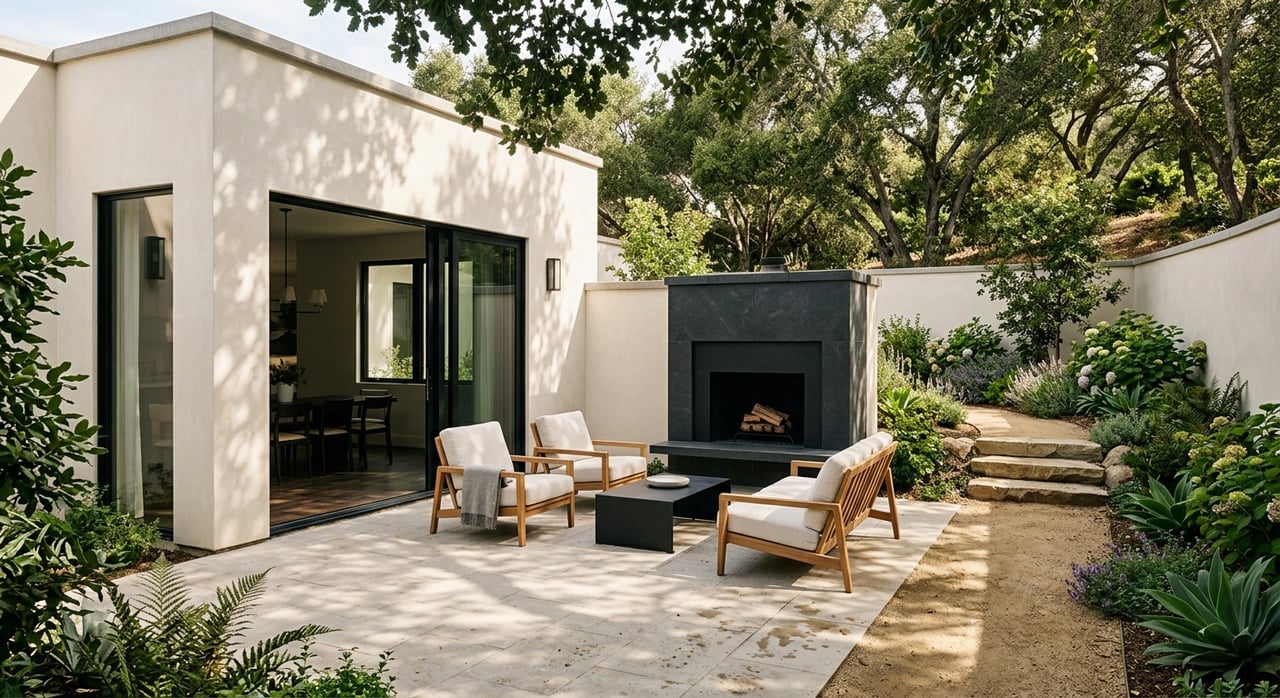
The south end is described as having one- and two-story single-family homes with tree-lined streets. Western neighborhoods are shaped more by hillside terrain and homes oriented to views. Official city materials also reference styles such as Spanish Eclectic, Tudor Revival, bungalow, ranch, and contemporary.
For buyers, this variety is important. It means your best fit may depend less on broad city reputation and more on how a specific area supports your daily habits, budget, and long-term housing needs.
A helpful way to search in San Carlos is to start with lifestyle first. The city’s layout, neighborhood differences, and zoning flexibility make some home types a more natural fit for certain routines.
Here is a simple way to think about it:
This framework is not an official city category, but it is a useful way to translate planning documents into practical home-search strategy.
San Carlos zoning allows detached homes and accessory dwelling units, and in some districts also allows small-lot homes, bungalow courts, duplexes, townhomes, multi-unit residential, and ADUs. For many buyers, that flexibility matters as much as the home itself.
If you are planning for aging parents, longer guest stays, private workspace, or future income options, ADU potential can widen what a property can do for you. In a high-cost market, flexibility often has real long-term value.
For many households, school planning is a major part of the move. The San Carlos School District includes eight TK-8 schools, and the Sequoia Union High School District serves San Carlos at the high school level along with other Mid-Peninsula communities.
That does not tell you which home to choose on its own, but it does show why many buyers here plan several years ahead. In San Carlos, housing decisions often connect directly to how you want everyday family life to function over time.
San Carlos offers a strong mix of walkable civic amenities, active public programming, parks, and a largely single-family housing base. It also comes with a high cost of entry, with median monthly owner costs with a mortgage above $4,000 and median gross rent at $2,854, based on Census figures.
That makes clarity especially important. The right move is not only about getting into San Carlos. It is about choosing the part of the city and the type of home that best supports your schedule, priorities, and future plans.
If you are comparing neighborhoods, weighing tradeoffs between walkability and space, or trying to identify the best family fit in this market, working with a local team that understands San Carlos block by block can make the process more focused and less stressful. When you are ready to explore your options, connect with Ektra Real Estate.
Stay up to date on the latest real estate trends.
July 23, 2026
July 16, 2026
July 9, 2026
July 2, 2026
June 25, 2026
June 18, 2026
We are proud to have helped so many in their journey here, and we value the trust our client's place in our relationships. Come join us to start your home journey!