Belmont Hills vs. Flats: How To Choose The Right Fit
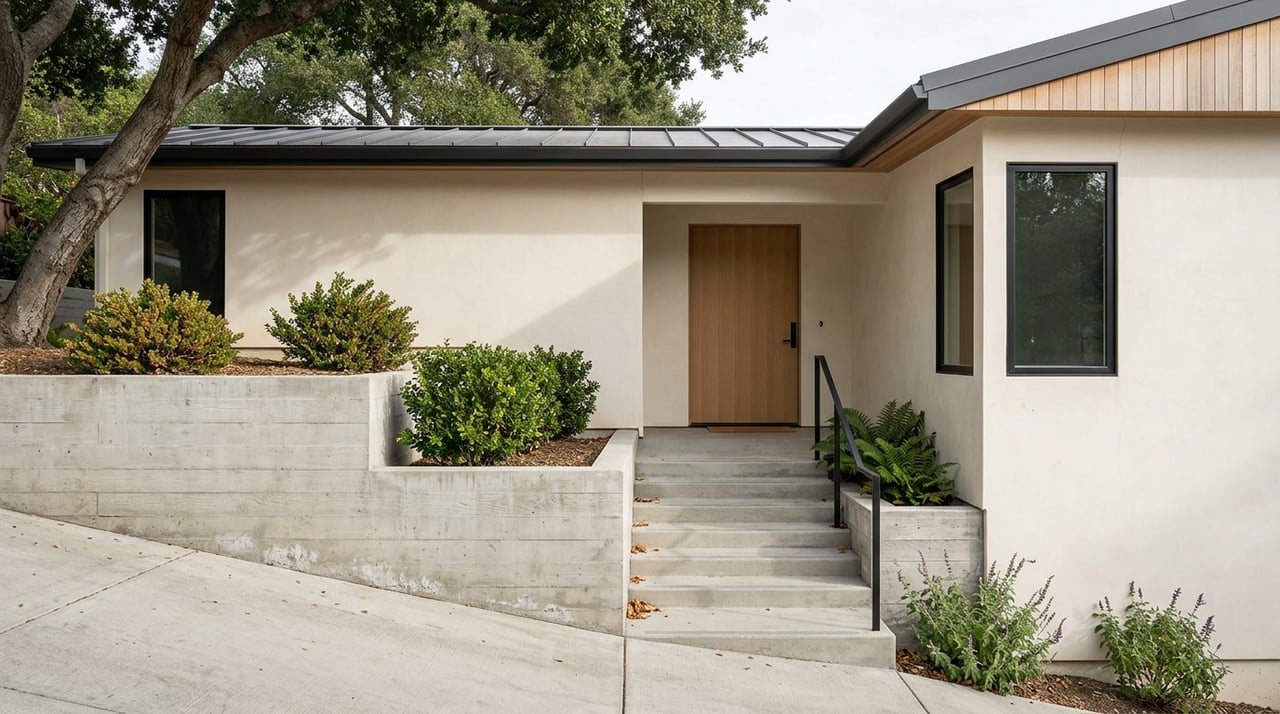
Trying to choose between Belmont’s hills and the flats? You’re not alone. The tradeoffs are real: views and privacy on the hillside, or walkability and easy commutes in the valley. In this guide, you’ll learn how microclimate, views, lot sizes, street layout, schools, commute convenience, and pricing differ across Belmont so you can decide what fits your lifestyle and budget. Let’s dive in.
Belmont’s hillside areas are formally recognized by the City, most notably the San Juan Hills and Western Hills. These zones include steeper slopes, open space pockets, and a special HRO overlay that adds extra review for things like buildable area and access. The City advises buyers to evaluate hillside parcels with planning staff and licensed engineers before moving forward. You can review the City’s guidance on hillside development to understand how the rules work and what to expect for permitting and engineering. City hillside development overview
On the flats, you’ll find more regular street grids and easier vehicle access close to Belmont Village, Homeview, and Central neighborhoods. These areas sit near the city’s commercial core and tend to be more convenient for day-to-day errands, school drop-offs, and transit.
Belmont’s zoning also hints at typical lot sizes. Single-family zones include R1A at about 9,600 square feet, R1B around 6,000, and R1C near 5,000, with R1E at about 1 acre in select pockets. Hillside lots often skew larger and more irregular, while flatter neighborhoods more commonly sit in the 5,000 to 6,000 square foot range. Review zoning and lot-size layers in the City’s Parcel Viewer for any specific address. Zoning and land use map layers
The Peninsula’s marine layer creates distinct microclimates. Small changes in elevation and slope aspect can shift how much fog, wind, and sun you get each day. In Belmont, higher elevations and south or west-facing slopes often get more direct sun while low-lying flats and bay-facing corridors can see cooler, foggier mornings. For a deeper look at how the Bay Area’s fog behaves across neighborhoods, see this overview of local microclimates. Bay Area microclimates explained
If outdoor living is a priority, plan a few visits to the property at different times of day. This helps you gauge sun exposure for patios and play areas, and wind patterns on decks. The City recommends assessing sun and wind when weighing how you will use outdoor space. City hillside development overview
Hillside homes often deliver sweeping Bay or City views along with bigger sky exposure. Those attributes are scarce in the market and frequently command a premium. While the exact premium varies by neighborhood and view quality, housing research shows meaningful price gains for wide or water-adjacent views. Local comps are essential for pinpointing the premium on a specific street. For background on how views get priced in housing markets, review this summary of hedonic pricing research. View premium research summary
Yard usability is another key difference. Flats typically offer level lawns, simpler driveways, and easier gardening. Hillside properties can feature dramatic terraces and outlooks, but they often require more thoughtful drainage, retaining walls, and slope landscaping. North-facing slopes may run cooler with more shade, which can narrow plant choices.
Belmont gives you two different flavors of nearby outdoor access. On the flats near downtown, Twin Pines Park offers easy, level walks for picnics and community events. In the hills, Water Dog Lake and its surrounding open space trail network attracts hikers, runners, and mountain bikers who love quick access to nature from home. You can explore both in the City’s parks directory. Belmont parks directory
Belmont has a Caltrain station on the Peninsula corridor. If you commute by train, the flats near Ralston Avenue and Belmont Village generally offer the shortest walks or drives to the station. Hillside pockets often add a few minutes due to winding, sloped roads and longer last-mile connections. For shuttle options and station info, start here and then check the current timetable for your specific travel times. Caltrain station and shuttles
Flatter central neighborhoods tend to have more consistent sidewalks and quicker access to shops, restaurants, and services. Ride-hail pickup and school drop-offs are also simpler on flatter streets. On hillside streets, expect narrower roads, occasional limited sidewalks, and steeper driveways. That said, many hillside homes trade these conveniences for the quiet, privacy, and views you may not find on the valley floor.
Elementary and middle schools in Belmont are part of the Belmont-Redwood Shores School District, while high school students attend Carlmont High in the Sequoia Union High School District. School assignments are address-based. If school logistics are critical, verify attendance boundaries and enrollment steps before you write an offer. You can find official resources here: Belmont-Redwood Shores School District and Carlmont High School.
Belmont’s market is high value with notable neighborhood differences. As a citywide indicator, Zillow reports an average home value of 2,202,696 dollars based on ZHVI data through December 31, 2025. Within the city, neighborhood-level ZHVI shows meaningful dispersion. For example, Belmont Heights trends higher at about 3.1 million dollars, while Western Hills is closer to 1.79 million dollars in the same period. In December 2025, Redfin noted a median sale price near 2.505 million dollars in Belmont Country Club. Use these as directional context only and compare against recent local comps to see how lot, view, exposure, and condition are driving value on your target block.
Inventory remains tight relative to demand, which is typical of the Mid-Peninsula. Homes that combine standout micro-locations with daily convenience or strong views tend to move faster. Places with steep access, complex geotechnical history, or limited parking can take longer. If you care about speed-to-market or want to avoid heavy competition, monitor days on market and the sales-to-list ratio for your specific submarket before you jump in.
Hillside parcels in the San Juan and Western Hills areas may face constraints related to slope, access, and environmental protections. The City flags that some hillside lots need a Certificate of Compliance or have conditional legal histories. Expect the potential for longer entitlement timelines and added costs for engineering, drainage, and access improvements. Review the City’s guide and speak with planning staff and licensed geotechnical or civil engineers early in your process. City hillside development overview
Parts of Belmont’s upper hills appear in higher wildfire hazard classifications. Defensible-space rules and Wildland-Urban Interface standards can influence insurance, construction materials, and maintenance. Landslide and storm runoff risks may also apply on steeper parcels. Check local FHSZ resources and the County Hazard Mitigation Plan to understand property-specific risk. Fire hazard severity zones and County hazard mitigation context
On a slope, plan for geotechnical review and request any prior engineering documents, retaining wall permits, and drainage or slide remediation records. For any address, use the City’s Parcel Viewer to review zoning, overlays, and permit history so you know what has been done and what may be feasible. Zoning and land use map layers
There is no one-size-fits-all answer in Belmont. If you want the drama of big views, quiet streets, and more sky, the hills deliver. If you want short school runs, easy errands, and quick access to Caltrain, the flats shine. The right choice comes down to how you live day to day and how much you value outlook over convenience.
If you would like a data-backed, neighborhood-level comparison tailored to your short list, reach out to the local team at Ektra Real Estate. We will help you weigh tradeoffs, validate pricing with real comps, and move with confidence.
Stay up to date on the latest real estate trends.
July 23, 2026
July 16, 2026
July 9, 2026
July 2, 2026
June 25, 2026
June 18, 2026
We are proud to have helped so many in their journey here, and we value the trust our client's place in our relationships. Come join us to start your home journey!