Thinking about adding an accessory dwelling unit to your Redwood City property, or buying a home with ADU potential? You’re not alone. ADUs can help with multigenerational living, create flexible space, and may support long‑term rental income. In this guide, you’ll learn the essentials of ADUs in California, how Redwood City typically handles permits, and what to expect for size, parking, utilities, fees, timelines, and resale. Let’s dive in.
What an ADU Is (and Why It Matters)
An accessory dwelling unit is a secondary, self‑contained housing unit on the same lot as a primary residence. ADUs include a sleeping area, kitchen facilities, and a bathroom. Common formats are:
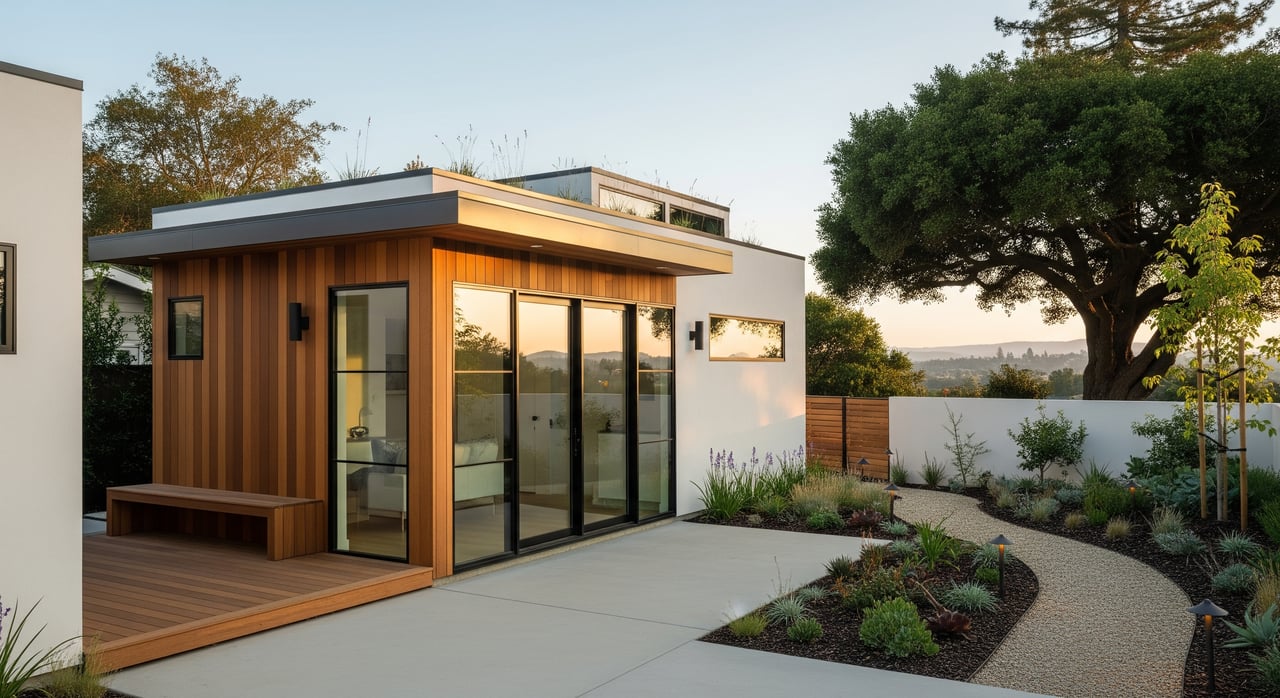
- Detached cottage in the yard
- Attached addition to the main house
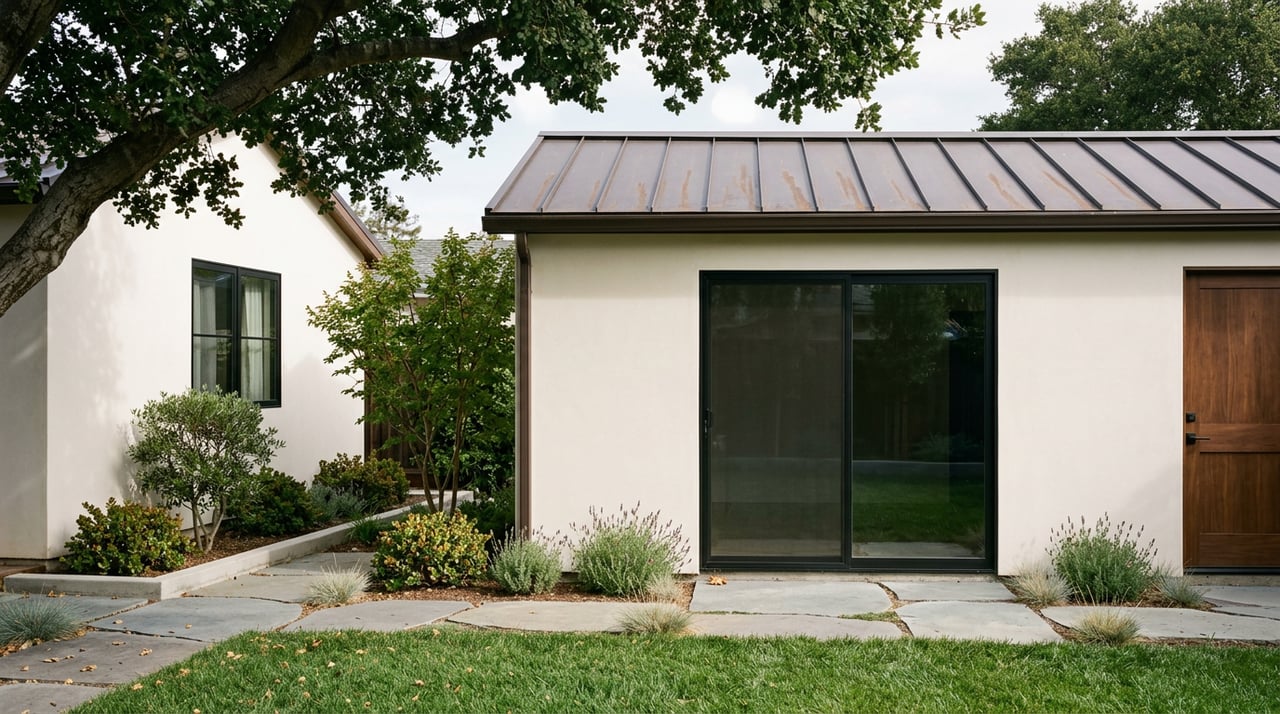
- Conversion of existing space (garage, attic, basement)
- Junior ADU (JADU), which is created within the main home and typically includes a kitchenette
ADUs can offer privacy and flexibility for aging parents, adult children, or long‑term renters. JADUs are smaller and often suit family use inside the home. Detached ADUs can provide more privacy and may be better for long‑term rental strategies.
How State Law Shapes Local Rules
California’s Government Code sets baseline standards for ADUs that cities must follow. Two ideas matter most for you as a homeowner:
- Ministerial review: If your plans meet objective standards, the city must process the permit without public hearings.
- 60‑day decision window: For complete ministerial ADU applications, state law generally requires the city to act within 60 days.
Other state‑level provisions that often come into play:
- Parking exemptions: No off‑street parking can be required for certain ADUs, including units within one‑half mile of public transit, those created within existing structures, and other specific conditions.
- Fees for small units: Some development impact fees are limited or exempt for smaller ADUs, commonly those up to 750 square feet. Local building and utility fees can still apply.
- JADU basics: JADUs are created inside the primary dwelling and are typically capped at 500 square feet under state law. Many cities also include owner‑occupancy requirements for JADUs.
The takeaway: Redwood City must align with these state rules and cannot use discretionary processes to block compliant ADUs in residential zones.
Redwood City Permitting: What to Expect
In Redwood City, most homeowners will follow a ministerial permitting path as long as the ADU meets objective standards. Here’s the typical landscape:
- Ministerial ADU/building permits: If your design meets zoning and building codes, you can expect a staff‑level review rather than a public hearing.
- Special areas or overlays: Historic districts or special plans can add objective design checks. Plan for this early if your home is in a designated area.
- Utilities and environmental: Sewer, water, and stormwater requirements may affect your design. Environmental constraints like riparian setbacks or steep slopes can also limit placement.
- HOAs and CC&Rs: Private covenants can add review steps or design constraints. While state law limits some restrictions, engage your HOA early.
Quick Eligibility Checklist
Use this list to sanity‑check your project before you invest in plans:
- Confirm your zoning designation and whether ADUs are permitted by right on your lot.
- Identify the most feasible type: conversion, attached, detached, or a JADU inside the main dwelling.
- Check for overlays: historic district, special design areas, or floodplain.
- Verify sewer and water service. If your property relies on septic, contact San Mateo County Environmental Health early.
- Ask planning staff about local objective standards for maximum size, height, setbacks, and design features.
- Confirm parking requirements and whether you qualify for parking exemptions.
- Request a pre‑application discussion with Redwood City Planning if available.
- Review estimated fees and whether any state‑driven fee limits apply to your plan.
Size, Parking, Utilities, and Fees
ADU feasibility usually hinges on four factors: how big you can build, whether you need to provide parking, how utilities will connect, and what the fees look like.
Size and Type
- JADU: Typically up to 500 square feet and located within the main home. Often best for family use where shared spaces and a kitchenette fit your needs.
- Conversion ADU: Converts existing space like a garage or basement. These projects often face fewer size and setback hurdles because the footprint is already there.
- Attached or detached ADU: New square footage gives you design freedom, but it can trigger more site standards. Lot coverage or floor‑area limits may apply depending on the zone.
Your exact maximum sizes and heights depend on Redwood City’s objective standards. If you are weighing a detached cottage versus a conversion, ask planning staff how local lot coverage, height, and setbacks apply on your specific parcel.
Parking Rules and Transit Proximity
Parking can be the make‑or‑break issue on smaller lots. State law removes parking requirements for certain ADUs, including units within one‑half mile of public transit and conversions within existing structures. In Redwood City, proximity to Caltrain and local shuttles often means many homes fall under a no‑parking‑required scenario for qualifying ADUs.
If you do not qualify for an exemption, the city may require off‑street parking. To confirm your status, ask planning staff to evaluate:
- Your distance to major transit stops
- Whether your ADU is a conversion within the existing building envelope
- Any applicable parking permit district rules
Utilities: Water, Sewer, and Meters
Most Redwood City homes connect to the municipal sewer system. If your property is on septic, San Mateo County Environmental Health will need to review capacity and may require upgrades. For municipal connections, clarify early whether your ADU will share existing meters or require separate utility meters, and whether lateral upgrades are needed.
Fire and life‑safety standards also apply. Plan for egress, fire separation, and possible sprinkler requirements, especially with attached or garage‑conversion designs.
Fees and Cost Drivers
State rules limit certain impact fees for smaller ADUs, commonly those up to 750 square feet. Still, plan for building permit and plan check fees, utility connection costs, and any development fees that apply above size thresholds.
In general:
- Conversions tend to cost less to permit and build since they reuse the structure and often avoid new parking.
- Detached new builds can offer more privacy and rental appeal but often include higher construction, utility, and site costs.
Timeline: From Idea to Move‑In
While every project is different, you can map your timeline to these milestones.
Pre‑planning and Design
- Pre‑application or pre‑check: 2 to 6 weeks to gather parcel info, talk with planning staff, and align on standards.
- Plans and contractor bids: Several weeks to a few months, depending on scope and whether you are converting existing space or building new.
Permitting and Review
- Ministerial review: Once your application is complete, state law generally calls for a decision within 60 days. Revisions, if needed, can add time.
Construction and Inspections
- Conversions: Often a few months if structural work is limited.
- Detached ADU: Frequently 6 to 12 months from permit issuance to completion, depending on complexity and contractor availability.
- Utility upgrades or septic approvals: Can add weeks to months if capacity is tight or upgrades are required.
Common Sources of Delay
- Incomplete submittals or missing documents
- Objective design checks in special districts
- Utility capacity or lateral upgrade requirements
- HOA architectural review timelines
- Contractor scheduling and supply chain constraints
Tips to Keep Things Moving
- Use a pre‑application discussion to confirm standards early.
- Hire professionals familiar with Redwood City’s process.
- Consider conversion options to reduce unknowns.
- Verify water, sewer, and power capacity at the start.
Living, Renting, and Resale
ADUs can improve livability today and marketability later, but details matter.
- Multigenerational living: ADUs provide privacy for extended family while keeping everyone close.
- Long‑term rental income: Check Redwood City’s rental rules for ADUs, including minimum lease terms. Short‑term rental use is often restricted by California cities, and local registration or limits may apply.
- Insurance: Notify your insurer. You may need to adjust coverage or add liability protection if you plan to rent.
- Financing: Options may include cash, construction loans, renovation loans, or financing tied to a refinance. Terms vary by lender.
- Taxes and assessments: New living area can affect your property tax assessment. Consult a tax professional.
- Resale value: A permitted ADU typically appeals to buyers seeking flexibility or income potential. Keep permits, final inspections, and as‑built plans organized for future buyers.
Who to Contact and What to Prepare
When you are ready to explore your project in Redwood City, line up the right conversations and documents.
- Redwood City Planning Division: Confirm zoning, objective standards for size, height, setbacks, and whether any special overlays apply.
- Redwood City Building Division / Permit Center: Understand plan submittal requirements, inspections, and fees.
- San Mateo County Environmental Health: If your property is on septic, discuss capacity and potential upgrades.
- Local utility providers: Clarify meter policies, lateral upgrades, and connection costs.
Bring or prepare:
- A current site plan or survey showing property lines, structures, and setbacks
- Concept sketches of your ADU location and access
- Notes on utility locations and potential tie‑ins
- Photos of existing structures if considering a conversion
- A preliminary list of questions about parking, height, and size
Ready to Weigh Your Options?
If you are considering an ADU as part of a purchase, or you are planning to sell a home with ADU or JADU potential, you deserve clear, local advice. Our team helps clients understand how ADUs affect value, buyer appeal, and long‑term flexibility across Redwood City and neighboring Mid‑Peninsula communities. Reach out to discuss strategy, pricing, and next steps that fit your goals.
Ektra Real Estate can help you assess ADU potential and position your property for success. Get Your Home Valuation.
FAQs
Can I build an ADU on my Redwood City lot?
- Start by confirming your zoning, any special overlays, and whether your concept meets objective standards for size, height, setbacks, parking, and utilities.
What is the difference between an ADU and a JADU?
- An ADU is a separate dwelling with a full kitchen and bath; a JADU is created within the main home, typically up to 500 square feet, with a kitchenette and shared elements.
Do I need to provide off‑street parking for my ADU?
- Many ADUs are exempt, including units within one‑half mile of public transit and conversions within existing structures; confirm eligibility with planning staff.
How long does ADU permitting take in Redwood City?
- For complete ministerial applications, state law generally requires a decision within 60 days; revisions and special reviews can extend timelines.
Are there fee breaks for smaller ADUs?
- State rules limit certain impact fees for smaller ADUs, commonly up to 750 square feet, though local building, plan check, and utility costs can still apply.
Can I rent my ADU short‑term on platforms like Airbnb?
- Many California cities restrict short‑term rentals of ADUs or require registration; verify Redwood City’s current rules and minimum lease terms.
Will an ADU increase my home’s value?
- A permitted, well‑designed ADU often boosts marketability and value for buyers seeking flexibility or income potential; keep all permits and final approvals on file.
What type of ADU is fastest to build?
- Conversions of existing space usually move faster because the footprint and utilities are already in place, reducing structural work and unknowns.